Why Does My Dog Scoot After Pooping? 5 Common Reasons & What Helps


Article Summary
Many dogs scoot — drag their bottom along the ground — right after they poop. It is rarely a "weird habit" and much more often a comfort signal. The two most common drivers are anal gland pressure and stool texture: when poop is too soft, it does not push past the anal glands the way it should, and the resulting pressure makes the ground look like the best available itch-scratcher. This guide covers the most common reasons for after-pooping scooting, what you can do at home to help your dog feel more comfortable, and the signs that mean it is time to see a veterinarian.
Quick Answer
If your dog scoots after pooping, look at stool quality and anal gland comfort first. Soft stools, a recent diet change, or a low-fiber diet can leave the anal glands feeling full and irritated. In mild cases, adding fiber and moisture, keeping weight in a healthy range, and gently checking the area is a reasonable first step. Scooting that is frequent, looks painful, comes with licking, swelling, blood, or a strong odor, or continues for more than a few days deserves a veterinary visit — and puppies who scoot should always be checked for parasites first.
Key Takeaways
- Scooting right after pooping usually points to anal gland pressure or stool texture — not a behavioral quirk.
- The most common reasons: full or irritated anal glands, soft stool (often low fiber), allergies, parasites, and something stuck or irritating in the fur.
- Fiber, hydration, a healthy weight, and a gentle daily check solve a surprising share of mild cases.
- Frequent scooting, licking, swelling, blood, or odor are veterinary-visit signals — don't wait weeks to "see how it goes."
- Puppies who scoot should be checked for worms before assuming glands or allergies.
In short
- Scooting after pooping is usually a comfort signal from the anal gland area, not "acting up."
- Stool texture matters: firm, well-formed poop helps the glands empty naturally as it passes.
- Daily fiber-focused support plus a healthy weight goes a long way — and lasting discomfort deserves a vet visit, not patience.

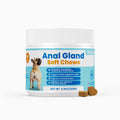
VUN Dog Gland Support Soft Chews
Digestive & gland comfort formula with pumpkin fiber · 50K+ orders shipped
$32.99 $41.24
Check It Out →Table of Contents
- Introduction
- Why Do Dogs Scoot Right After Pooping?
- 5 Common Reasons for After-Poop Scooting
- How to Help at Home
- When Scooting Needs a Vet Visit
- Frequently Asked Questions
Introduction
Your dog finishes their business, takes two steps away — and then plants their bottom on the grass, the patio, or your best rug and drags it forward like a sled. If this has become a small ritual after every poop, you are not imagining the timing, and you are definitely not alone. After-poop scooting is one of the most common reasons dog owners start searching for answers.
Here is the good news: in most cases, this behavior is your dog telling you that something in the hind-end area feels off, and the fix starts with understanding two simple things — how anal glands work, and what your dog's poop is telling you about their digestion. Neither is complicated, and both give you concrete, everyday things you can do.
This article is educational and not a substitute for veterinary care. If your dog seems painful, unwell, or the behavior is getting worse, skip ahead to when to see a vet.
Why Do Dogs Scoot Right After Pooping?
Timing is a clue. The anal glands are two small sacs that sit just inside the anus, one on each side. They hold a small amount of scent fluid that dogs use to mark territory and leave "messages" when they poop. In a healthy dog, the act of passing a firm, well-formed stool presses against those sacs and empties a little fluid as the poop slides out — a natural, invisible bit of housekeeping.
When that process doesn't work the way it should, the pressure builds up in and around the glands. And because pooping is exactly when the area gets squeezed, compressed, and noticed, the discomfort often peaks right at that moment. The ground becomes the fastest available way to scratch an unreachable itch.
So when a dog scoots after pooping, think of it less as "bad behavior" and more as a note that says: check my back end — something there doesn't feel right.
5 Common Reasons for After-Poop Scooting
1. Anal gland pressure (the most common one)
Full or poorly emptying anal glands are the classic cause. Glands can stay overly full when stools are soft or small, when a dog's weight or anatomy makes natural emptying harder, or simply because some individuals are prone to it. Beyond scooting after pooping, you might notice licking or biting at the area, a little "extra sit" on one hip, a fishy smell, or your dog looking at you mid-scoot like you can fix it. (We cover the smell side of things in our guide to why dogs smell fishy and what anal glands are telling you.)
For many dogs, supporting the area starts with digestion: fiber-forward foods, consistent hydration, and a healthy weight help produce the firmer stools that do so much of the emptying work naturally.
2. Stool texture & fiber
This is the reason most within your control. Poop that is too soft slides past the glands without doing the massage job. Poop that is chronically too hard or dry can irritate the sensitive skin around the anus. The sweet spot — a firm, formed, easy-to-pass stool — is built from a few basics:
- Fiber: options like pumpkin, psyllium, or a fiber-rich diet help stool find the right consistency. (Our pumpkin for dog digestion guide breaks down how it works.)
- Hydration: dry food only? Make sure water intake is generous — moisture helps everything move comfortably.
- Gradual changes: sudden diet switches are a top cause of loose stools, which can set off a scooting cycle.
- Digestive balance: a daily probiotic can help keep the gut steady, and steady digestion means predictable stools.
3. Allergies and skin irritation
If your dog is itchy in general, the itch often shows up "back there" too. Environmental allergies (pollen, dust, grass) and food sensitivities can make the skin around the rear end irritated and uncomfortable, and scooting is just part of a bigger itch map that may include paws, ears, and belly. If scooting comes in seasons, or you also see paw licking and ear scratching, allergies should be on the list.
4. Parasites (especially in puppies)
Worms — particularly tapeworms — can cause intense bottom itch. If you have ever seen tiny, rice-like segments near your dog's tail or in their poop, that is a tell-tale sign. Puppies who scoot should always be checked for parasites before assuming glands or allergies, since worms are common early on and easy to rule out with a simple vet visit and a stool sample.
5. Something stuck in the fur
The simplest answer is sometimes the right one: a dried bit of poop or debris caught in the fur, a grass awn, or matting that pulls when your dog sits. Long-haired breeds are especially prone. A gentle look (glove on, warm damp cloth, good light) often finds the culprit in seconds — and a sanitary trim can end the drama for good.
[subscribe-mid]
How to Help at Home
Do a two-minute poop audit. You do not need to become a poop scientist — but glancing at shape, color, and consistency is one of the cheapest health tools you have. Our dog poop guide covers exactly what is normal and what is worth a vet note.
Build a fiber-friendly routine. Pumpkin is one of the most dog-friendly fiber sources around — it adds gentle bulk, helps firm up loose stools, and most dogs genuinely like the taste. A scoop of pure pumpkin (or a quality pumpkin supplement) alongside consistent, gradual feeding habits can noticeably change stool quality within a week or two.
Keep weight in check. Carrying extra pounds makes it harder for those glands to empty naturally. Keeping your dog lean is one of the most underrated rear-end health moves.
Check the area weekly. A quick visual once a week — clean fur, no swelling, no redness — helps you catch changes early instead of when they become a bigger problem.
Consider daily comfort support. For dogs prone to gland pressure, a daily chew with fiber and gland-supportive ingredients blends smoothly into the routine — the goal is not a quick fix but keeping stool and the area comfortable day after day.

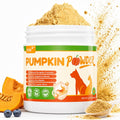
VUN Pet Pumpkin Powder for Dogs & Cats
Simple digestive fiber support for firmer, easier stools · 50K+ orders shipped
$18.98 $23.75
Check It Out →And if you would like to go one level deeper on glands specifically, our complete guide to dog scooting covers causes and comfort strategies in more detail, while the Digestive Health & Probiotics Hub collects everything digestion-related in one place.
When Scooting Needs a Vet Visit
Contact your veterinarian if you notice any of the following:
- Scooting that continues for more than a few days, or happens many times a day
- Whining, straining, or obvious pain around pooping or sitting
- Swelling, redness, blood, or a strong odor around the anal area
- Constant licking or biting at the rear end
- Scooting with no obvious cause, or that keeps coming back
- Any scooting in a puppy
Your vet can check the glands directly, rule out parasites or other contributors, and — if the glands are full — express them safely and quickly. There is no need to feel embarrassed about the topic, and there is certainly no need to delay: catching gland issues early is almost always simpler and more comfortable than waiting.
One note: generally, do not try to express your dog's anal glands at home. The area is delicate, technique matters, and well-meant squeezing can irritate or injure the tissue. This is a job for your vet (or an experienced groomer when appropriate).
Daily gland & digestive comfort support
VUN Dog Gland Support Soft Chews
Pumpkin fiber + gland-supportive herbs in a daily soft chew · 50K+ orders shipped
$32.99 $41.24
Check It Out →Frequently Asked Questions
Why does my dog scoot right after pooping?
Passing poop puts pressure on the anal glands and surrounding tissue. If the glands are overly full, not emptying well, or the area is irritated, that pressure is felt exactly at that moment — and scooting is your dog's fastest way to scratch the discomfort.
Does scooting after pooping always mean anal glands?
No. Anal gland pressure is the most common explanation, but stool texture, allergies, parasites, and simple skin or fur irritation can all cause the same behavior. The pattern — how often it happens and what else you notice — helps narrow it down, and a veterinarian can confirm.
Can I help after-poop scooting at home?
Mild, occasional scooting often improves when you focus on stool quality: more fiber, better hydration, gradual diet changes, and a healthy weight. If scooting is frequent, looks painful, or continues beyond a few days, see your vet rather than continuing to experiment.
Should I express my dog's anal glands myself?
In general, no. It is easy to irritate or injure the area without the right technique. If the glands need emptying, your veterinarian can do it safely in minutes — and show you what to watch for going forward.
How long does it take for stool and scooting to improve?
With consistent fiber and hydration support, many owners notice firmer stools within one to two weeks. If the scooting does not improve alongside better stool quality — or gets worse — it is time for a veterinary check.