Why Does My Dog Smell Fishy? Anal Gland Basics & What Helps


Article Summary
That sudden fishy smell — on your dog, on the couch, in the car — almost always traces back to the anal glands, two small scent sacs on either side of your dog's bottom. They hold a fluid with a naturally strong, fishy odor, and when the glands release a little unexpectedly, or stay fuller than they should, the smell becomes noticeable fast. This guide explains what anal glands are, the most common reasons for the smell, how to support normal gland function day to day, and when the odor is worth a veterinary visit.
Quick Answer
A fishy smell from your dog usually comes from the anal glands. Occasional small leaks — especially when a dog is relaxed, excited, or startled — can be normal. Recurring or strong odor, especially with scooting, licking, swelling, or discomfort, usually means the glands are staying too full or the area is irritated. Firmer stools (fiber and hydration), a healthy weight, and regular grooming help the glands empty naturally. If the smell keeps coming back or your dog seems uncomfortable, have your vet check the glands — it is quick and simpler to handle early.
Key Takeaways
- The classic fishy odor comes from the anal glands, two small sacs that hold scent fluid.
- Healthy glands empty a little every time a firm poop passes — soft stools leave them fuller.
- Occasional mild odor can be normal; frequent, strong odor is a signal worth acting on.
- Fiber-forward feeding, hydration, healthy weight, and grooming do real work here.
- Regular fishy smell plus scooting, licking, or swelling = veterinary visit time.
In short
- A fishy smell is anal gland fluid — usually a fullness or emptying issue, not just a grooming one.
- Firm, well-formed stools are the natural "drain" for those glands, so digestion support is gland support.
- Occasional mild leaks happen; repeated strong odor deserves a check, not air freshener.

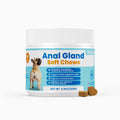
VUN Dog Gland Support Soft Chews
Digestive & gland comfort formula with pumpkin fiber · 50K+ orders shipped
$32.99 $41.24
Check It Out →Table of Contents
- Introduction
- What Are Anal Glands, Exactly?
- Why Does the Fishy Smell Happen?
- When It's More Than Just Odor
- Everyday Support for Healthy Glands
- Frequently Asked Questions
Introduction
You are relaxing on the couch with your dog. Everyone is comfortable, everything is calm — and then the room develops a distinctly fishy note. If you have been there, you know the look: the head-turn, the sniff-check, the quiet "…was that you?"
First, a reassuring fact: this is extremely common, and it is not a hygiene failure on your part. Almost every case of unexplained fishy dog smell traces back to the anal glands — two small scent sacs that are a completely normal part of your dog's anatomy. Understanding what they do, why they sometimes announce themselves, and how to keep them comfortable is honestly one of the most useful pieces of dog knowledge an owner can have.
This article is educational, not medical advice. If your dog also seems uncomfortable, skip to when it's more than just odor.
What Are Anal Glands, Exactly?
Anal glands (also called anal sacs) are two small pouches, roughly pea-sized, that sit just inside the anus at about the four and eight o'clock positions. Each one holds a small amount of oily scent fluid — a concentrated "signature" that, in the wild, would be left behind with stool to mark territory.
In everyday life, the system is mostly self-maintaining. When a dog passes a firm, well-formed poop, the stool presses gently against the sacs and nudges out a small amount of fluid along with it. No effort, no drama — just quiet housekeeping built into the plumbing.
Problems start when that emptying doesn't happen the way it should. The glands can stay too full, the fluid can sit and thicken, the area can become irritated — and that is when you notice the smell, the scooting, the licking, or all three.
Why Does the Fishy Smell Happen?
There are a handful of common explanations, and most dogs will tick at least one box over their lifetime:
- Natural small leaks. A little fluid can express during strong emotion — excitement at the doorbell, a sudden scare, a deep relaxed sleep — or when a dog sits down hard. Most people first meet the fishy smell on the couch or in the car for exactly this reason. Occasional single leaks are usually nothing to worry about.
- Glands staying too full. This is the big one. Soft stools (after diet changes, table scraps, stress, or with low-fiber diets) slide right past the glands without pressing on them. The fluid accumulates, and your dog's bottom starts to feel full and tender. You will often see scooting or licking alongside the smell. Our guide to why dogs scoot after pooping goes deeper on this connection.
- Irritation around the area. When the region is irritated, dogs lick — and licking spreads the scent fluid into the fur, where it lingers. A cycle can form: discomfort → licking → more odor → more attention to the area.
- Fur trapping remnants. On long-haired or heavy-coated dogs, small amounts of fluid or debris can get caught in the fur near the tail, keeping the smell around long after the gland itself has settled.
- Other odor sources worth ruling out. Ears, dental health, and skin folds can also produce strong odors, and sometimes owners blend them together. If the smell does not seem to come from the rear end, or comes with head-shaking or scratching, mention it to your vet — they can pinpoint the source quickly.
[subscribe-mid]
When It's More Than Just Odor
An occasional faint whiff is one thing. These signs mean the glands need a professional look:
- Strong fishy smell that returns within days, again and again
- Scooting, particularly after pooping or when sitting
- Frequent licking or biting at the rear end
- Swelling, redness, or tenderness near the anus
- Your dog yelping, straining, or seeming uncomfortable when pooping
- Any of these signs together with a change in appetite or energy
Your veterinarian can check the glands directly, determine whether they are too full or inflamed, empty them safely if needed, and rule out other causes. This is one of the quickest, most routine visits in veterinary practice — and dealing with it early is far more comfortable (and often less expensive) than waiting for it to escalate.
Everyday Support for Healthy Glands
Feed for firm stools. Stool quality is the single biggest lever you have. A fiber-rich diet — or a simple daily fiber boost like pure pumpkin or a pumpkin supplement — helps poop reach that firm, well-formed consistency that presses on the glands the way nature intended.
Keep water available everywhere. Hydration keeps everything moving comfortably and keeps stools from getting too dry.
Watch the waistline. Extra weight works against natural gland emptying. Keeping your dog lean is rear-end health care, even if it doesn't sound like it.
Groom the area. A sanitary trim for long-coated dogs, plus a quick weekly check (clean fur, no redness, no swelling), keeps small issues small.
Make fiber a habit. Consistency beats intensity: a little fiber every day, woven into your feeding routine, does more for gland comfort than an occasional big fix.

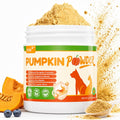
VUN Pet Pumpkin Powder for Dogs & Cats
Simple digestive fiber support for firmer, easier stools · 50K+ orders shipped
$18.98 $23.75
Check It Out →For the bigger picture on stool quality, see our dog poop guide, and for everything digestion-related in one place, explore the Digestive Health & Probiotics Hub.
Frequently Asked Questions
Why does my dog suddenly smell fishy?
The most common reason is anal gland fluid. The glands can release a small amount when your dog is relaxed, excited, or startled, or hold onto fluid when stools are too soft to empty them naturally. Both scenarios make the scent noticeable — usually on furniture, bedding, or the dog's own fur.
Is a fishy smell always the anal glands?
Usually, yes — it is by far the most common source of that specific smell. That said, ears, teeth, and skin folds can also produce strong odors. If your dog's ears look dirty, they shake their head, or you notice dental changes, have your vet check those too.
Will the smell go away on its own?
An occasional single leak usually does. If the smell keeps returning, or comes with scooting, licking, or discomfort, it typically means the glands are staying too full — and that pattern tends to repeat until the underlying reason (often stool quality) is addressed.
What can I feed my dog to help with anal gland issues?
Foods and toppers that build firm, well-formed stools: adequate fiber (pumpkin is a favorite), steady hydration, and gradual diet transitions. If you want targeted support, a daily soft chew formulated with fiber and gland-supportive ingredients can work alongside a good diet.
When should I see the vet about the smell?
See your vet if the odor is strong or recurring, if your dog scoots or licks at their bottom frequently, or if you notice swelling, redness, or discomfort. Gland checks are quick, routine, and best handled before the area becomes irritated.
Daily gland & digestive comfort support
VUN Dog Gland Support Soft Chews
Pumpkin fiber + gland-supportive herbs in a daily soft chew · 50K+ orders shipped
$32.99 $41.24
Check It Out →